Why Debaters Who See the Rubric Before the Round Win More Arguments Than Debaters Who Don't
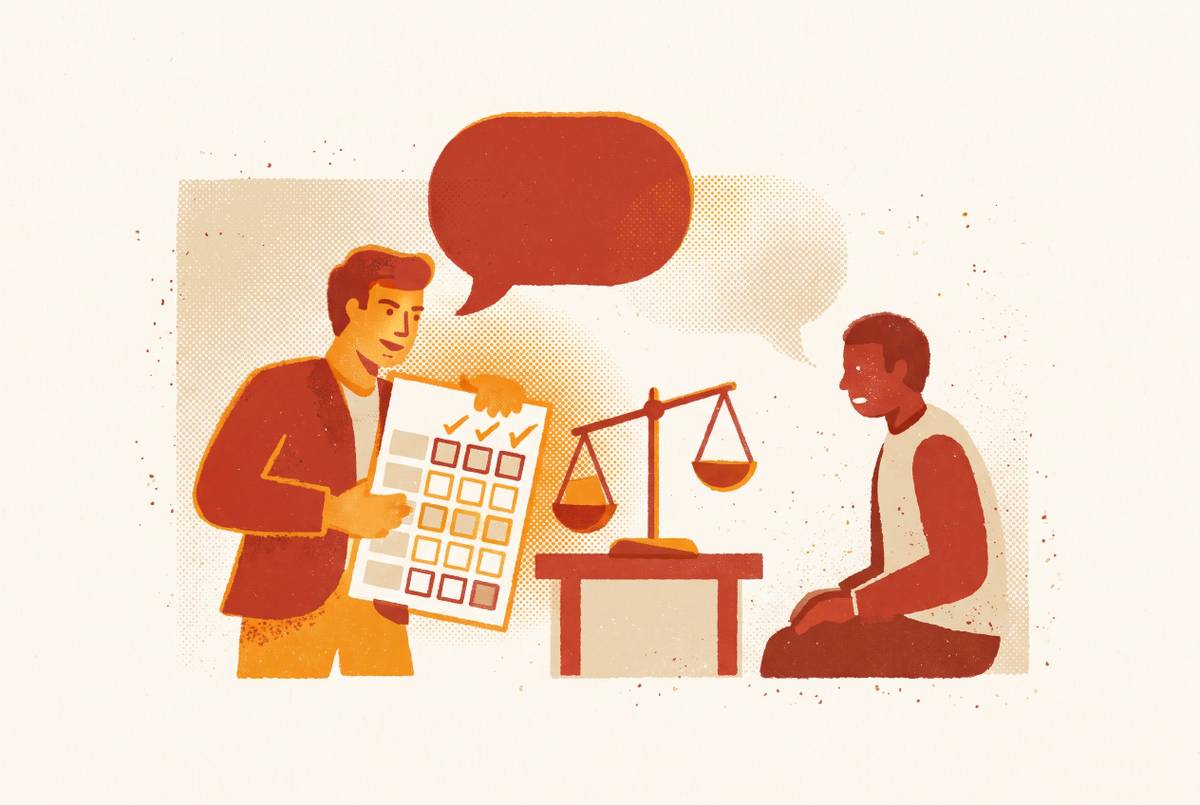
Knowing the scoring rubric beforehand lets debaters prepare smarter, not just harder.
Live Disagreements Editors
Two platforms show how transparency and appeals strengthen AI debate judging.
Knowing the scoring rubric beforehand lets debaters prepare smarter, not just harder.
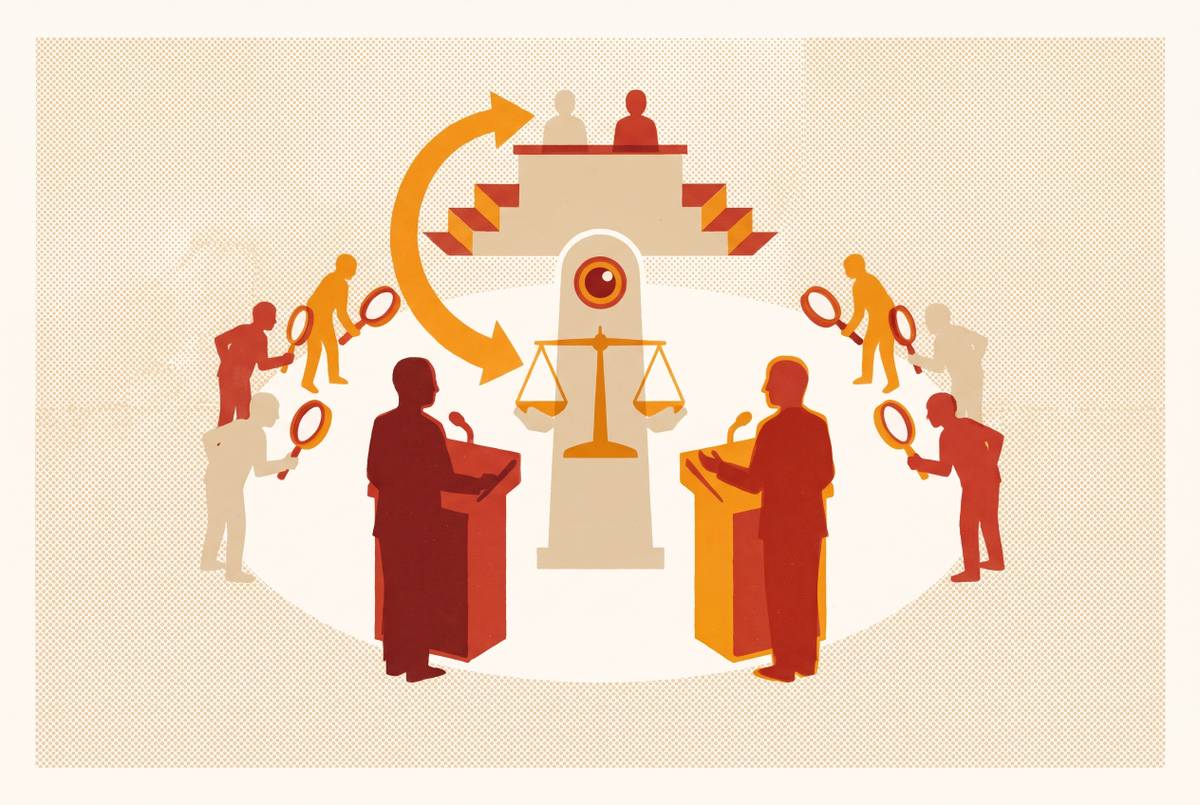
Transparent rubrics, multiple judges, and human appeals make AI-judged debates defensible.
The AI judges speak, score, and cite their reasoning for every verdict.
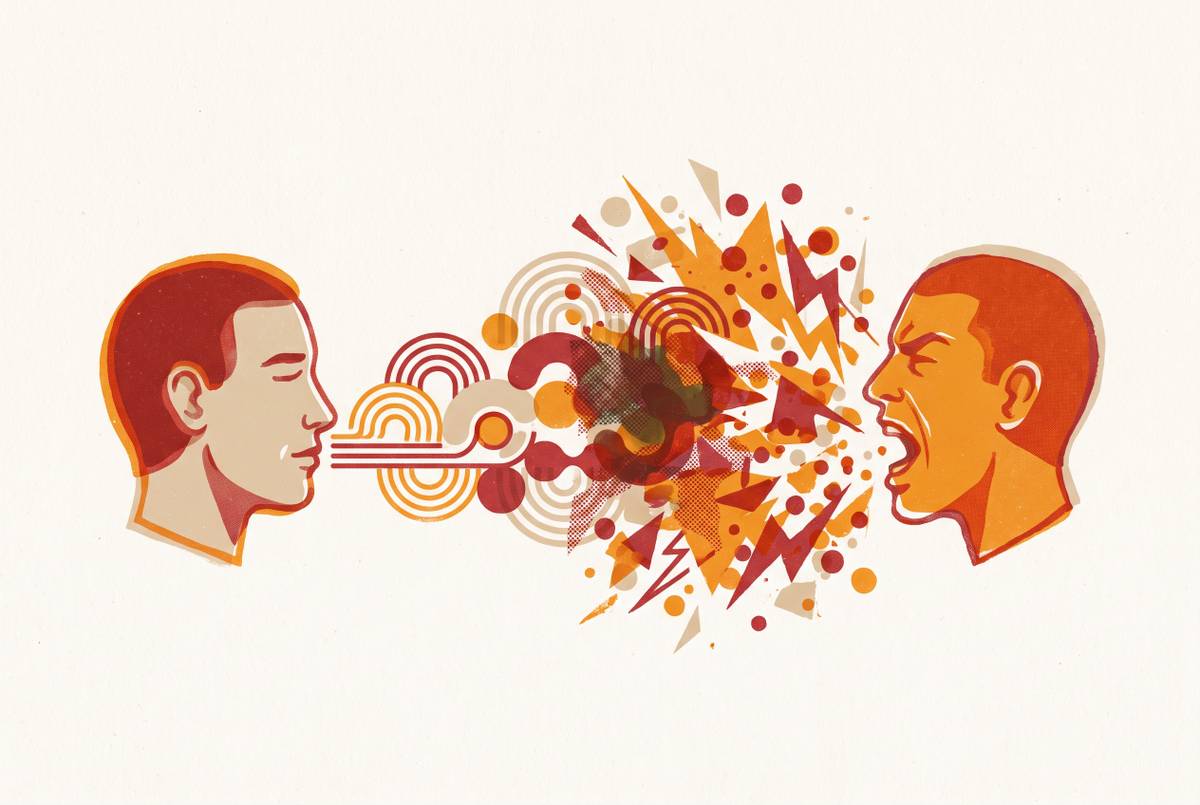
Strong arguments rely on clear reasoning, not forceful delivery.
Live audience opponents transform passive viewers into high-stakes performers under public scrutiny.
Viewers shape political debates in real time while creators profit from conflict and engagement.
Matched pairing structures debate with rules; open chat leaves it to chance.
Timed debate against strangers reveals skills that ordinary argument never tests.
Live one-on-one judged platforms give casual debaters the real opponent and verdict they need.
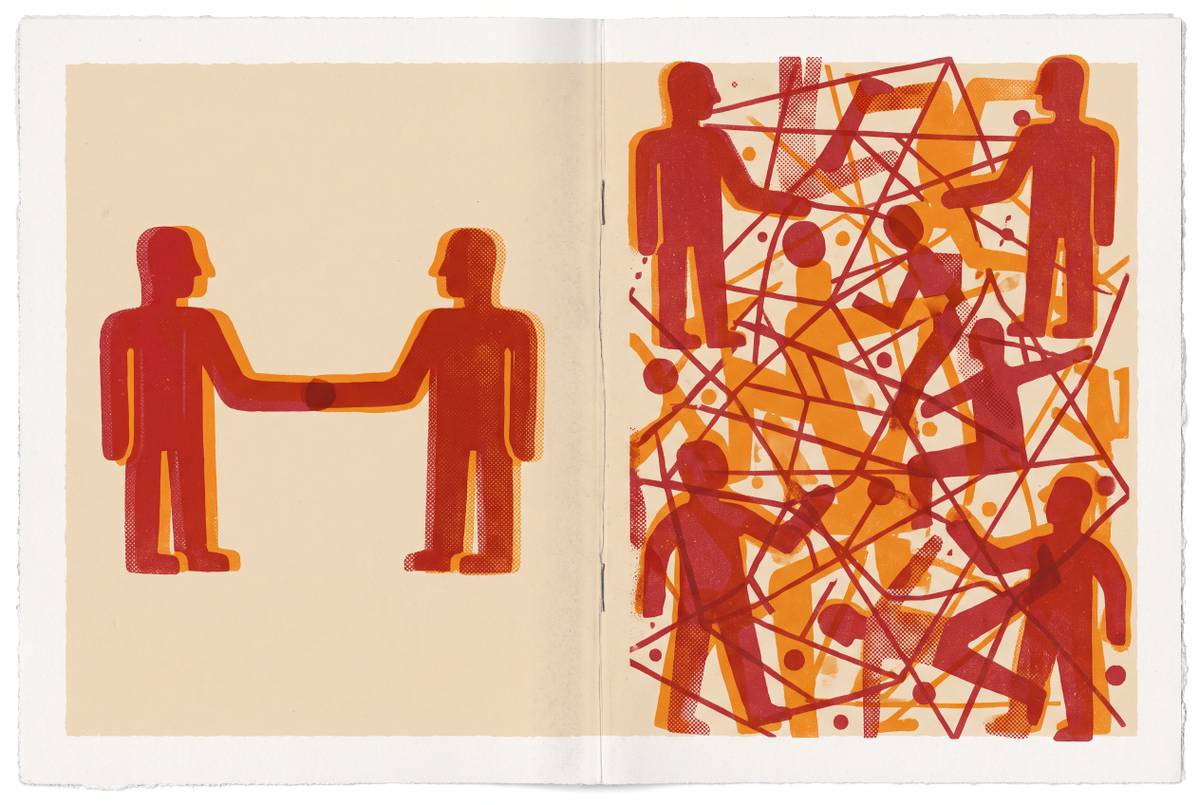
Structure transforms online arguments from repetitive noise into coherent exchanges.
Structure matters more than finding opposing views online.