AI Debate Judges vs Human Debate Judges for School Tournaments
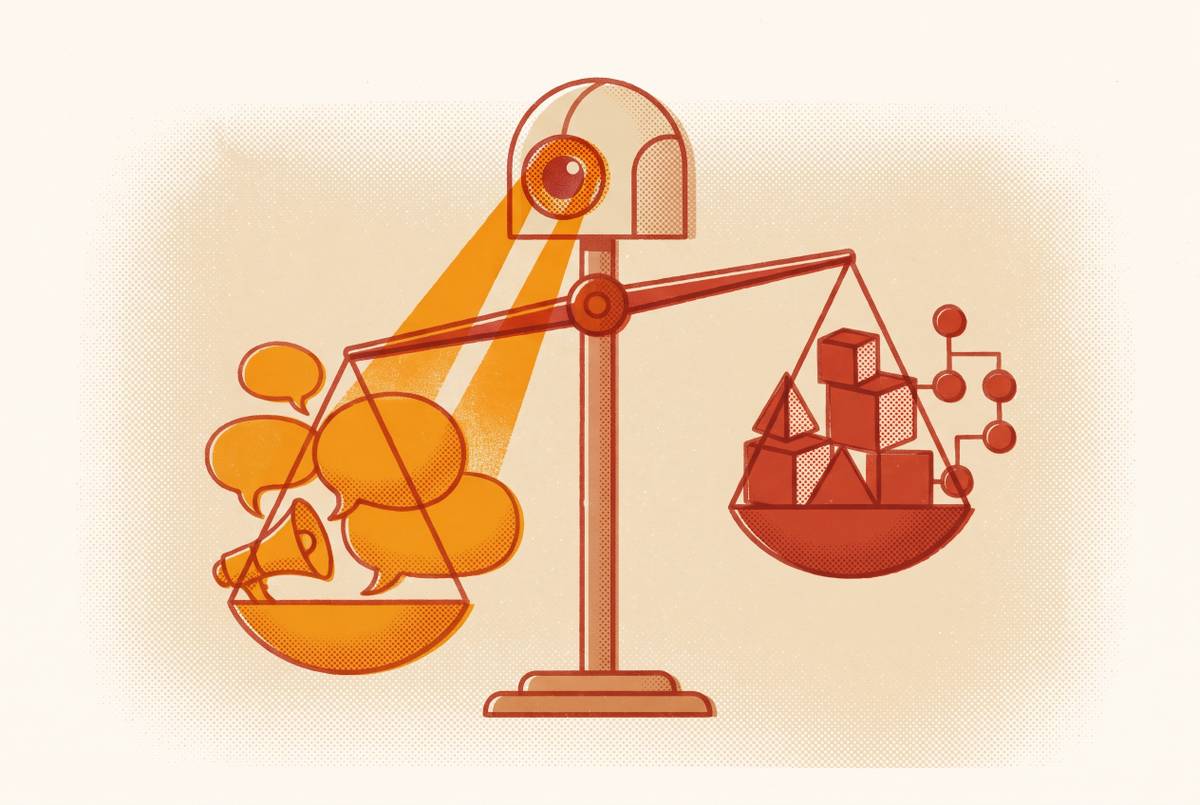
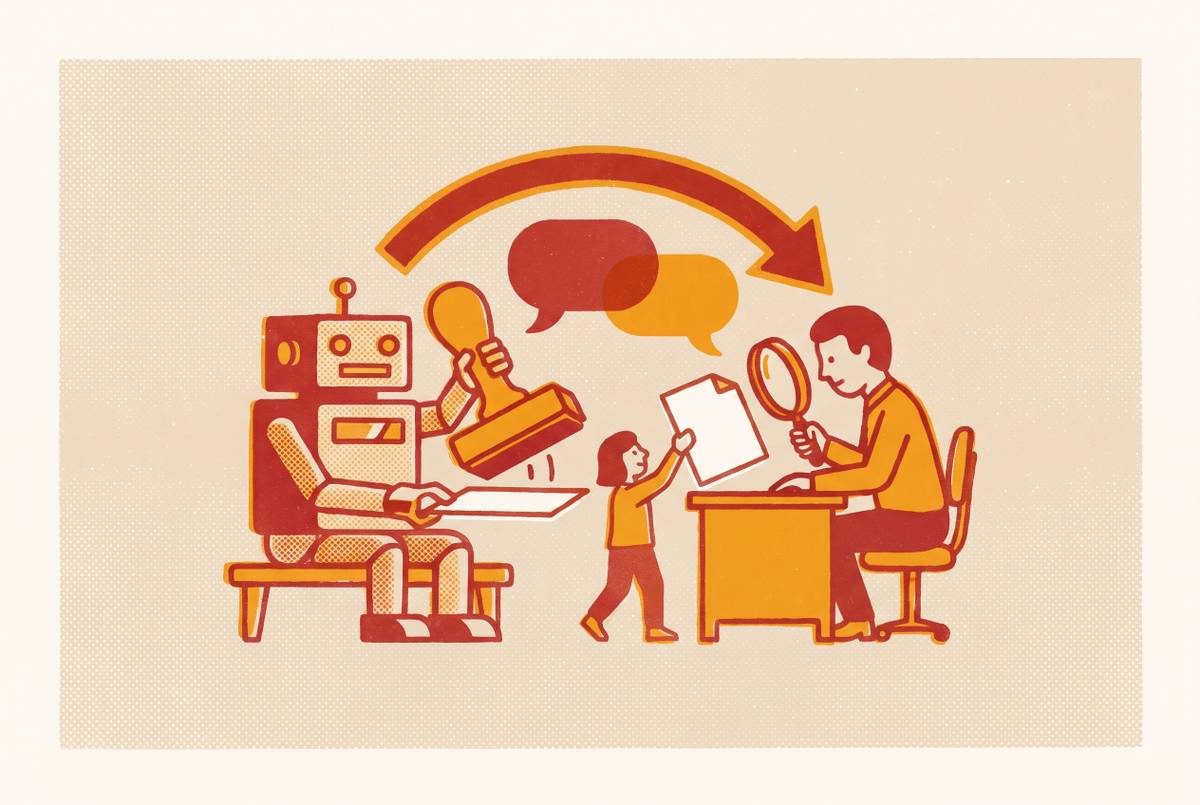
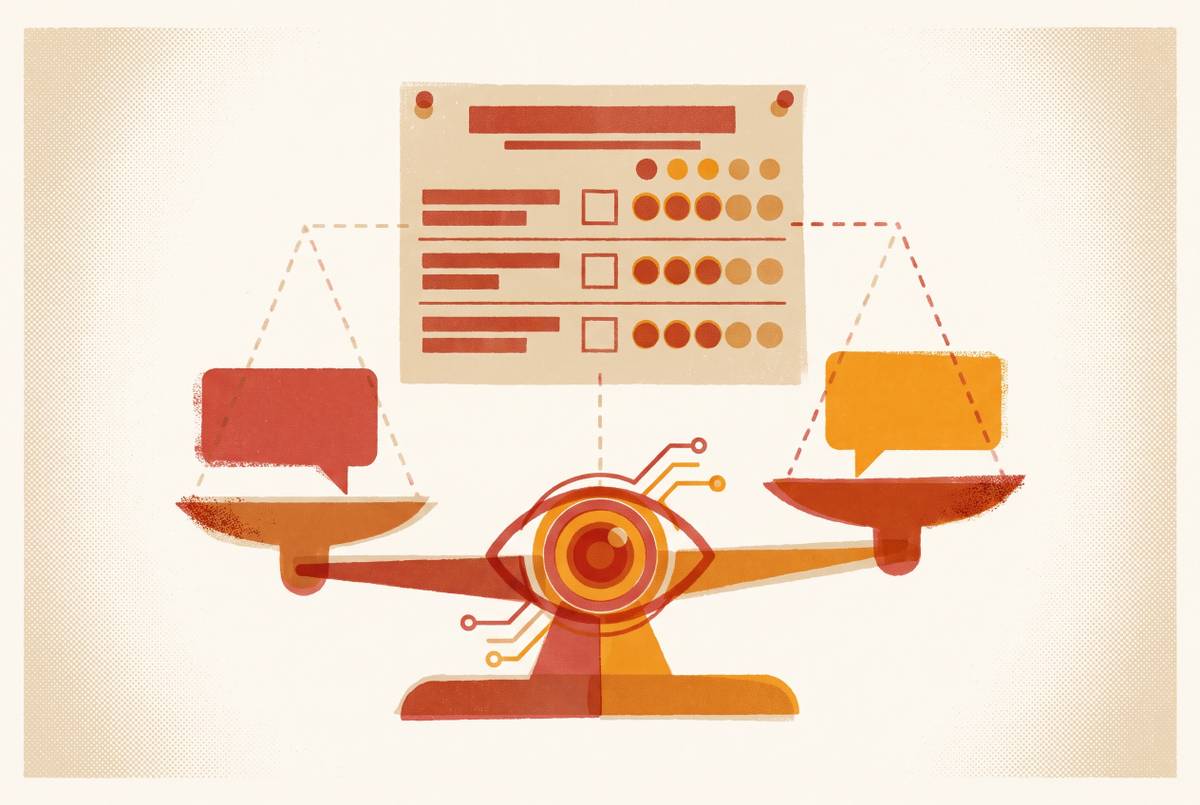
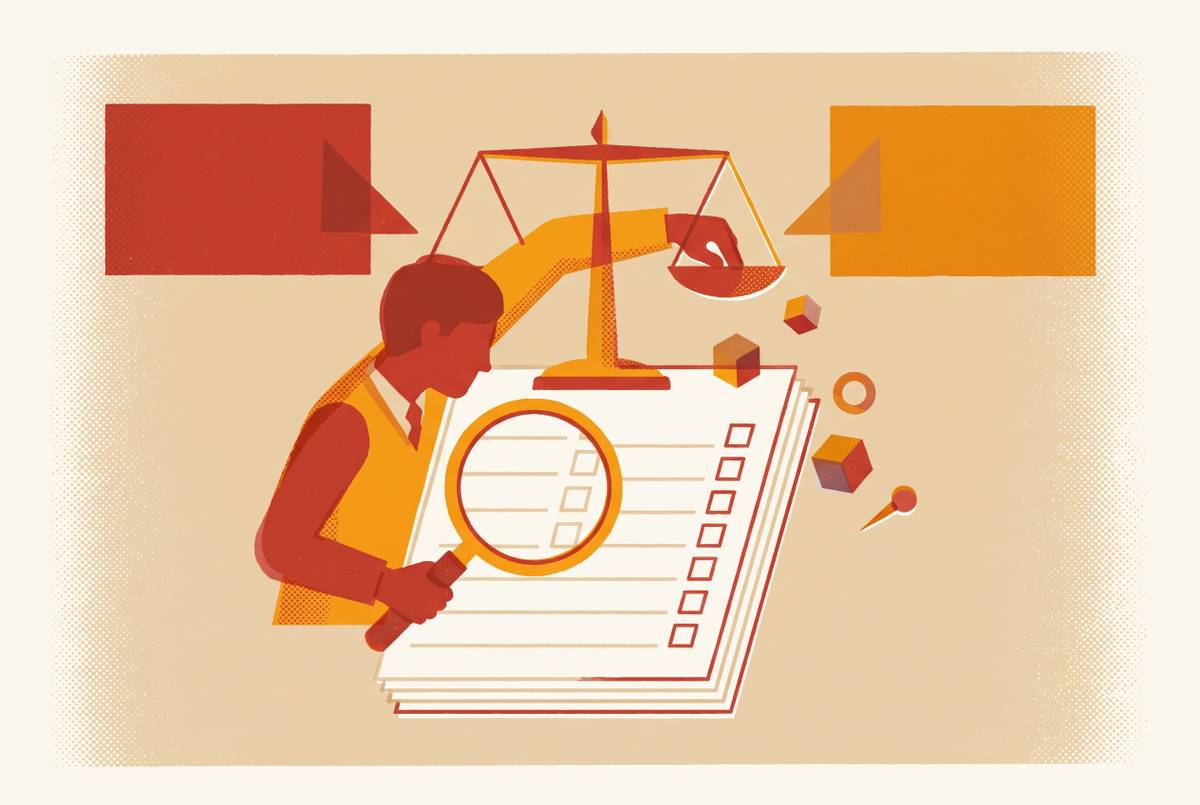
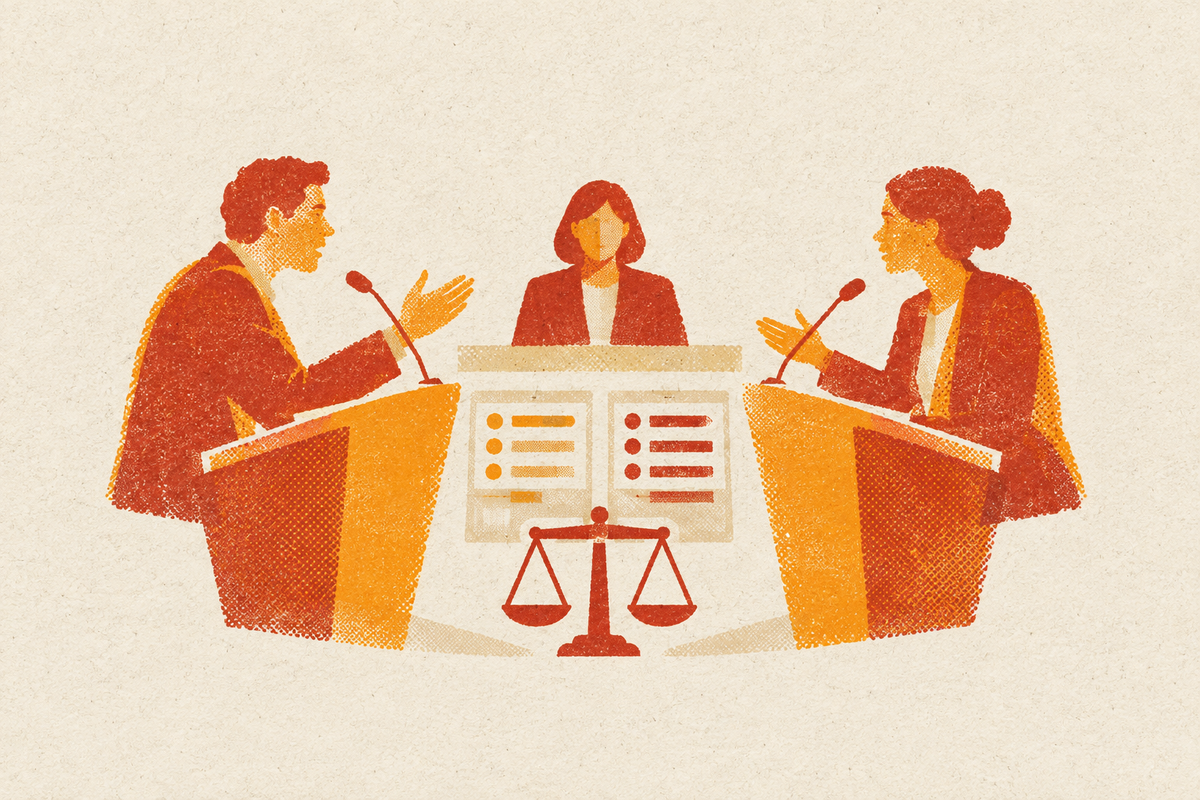
Match AI and human judges to each round's stakes and purpose.
Live Disagreements Editors
Section
15 stories in AI Judging and Verdicts.
Match AI and human judges to each round's stakes and purpose.
AI judges reward rebuttal and clear warrants over polish, so train accordingly.
A strong appeal pits the verdict's own words against the transcript.
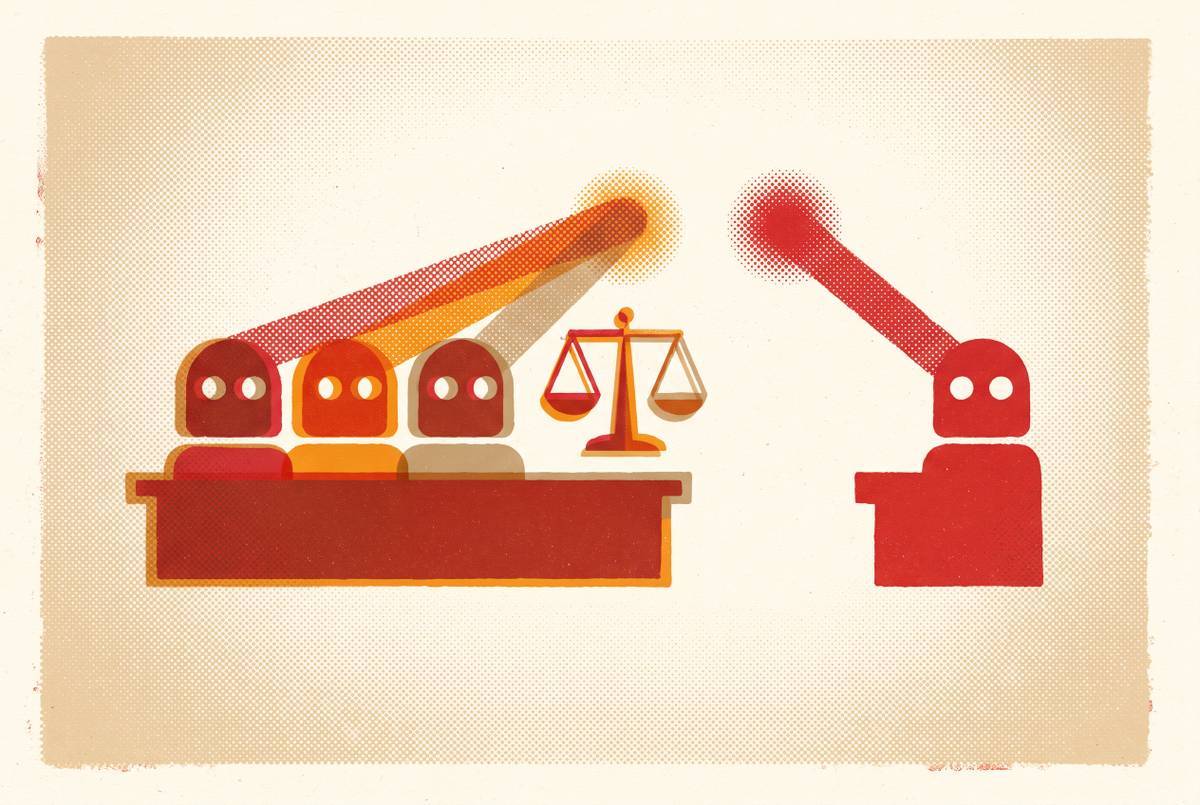
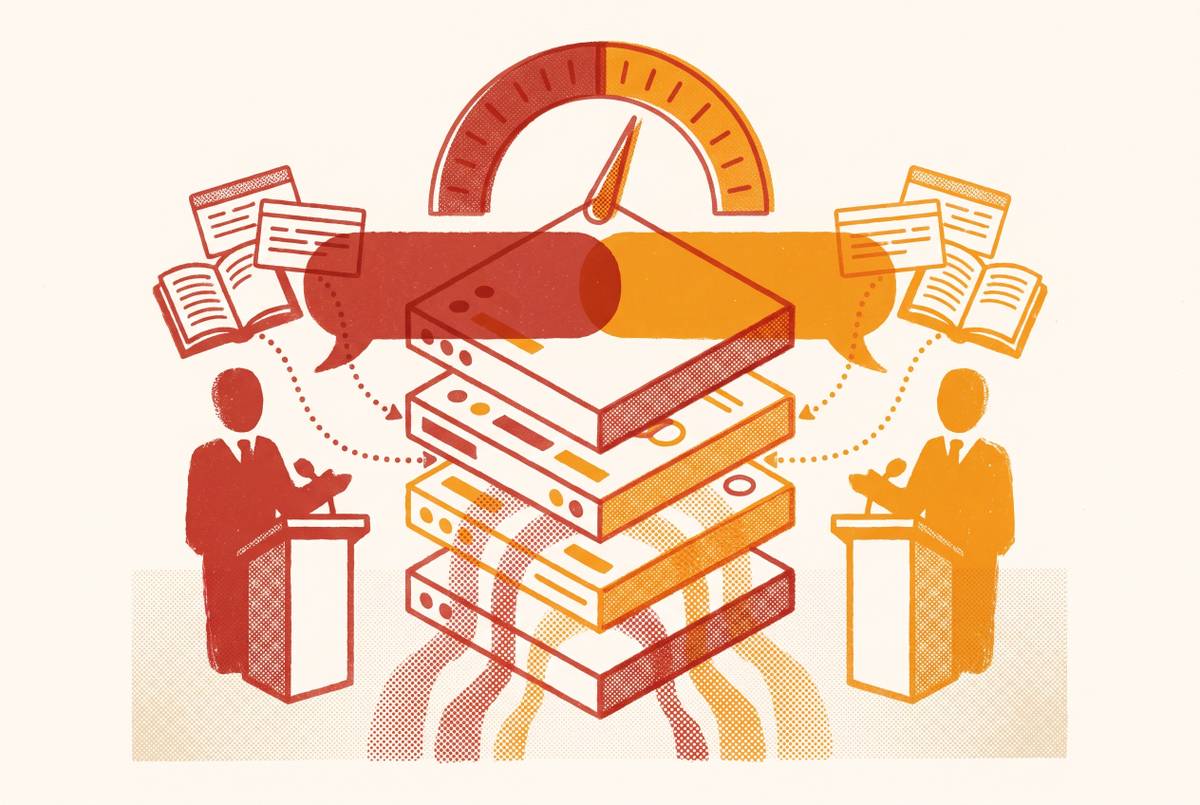
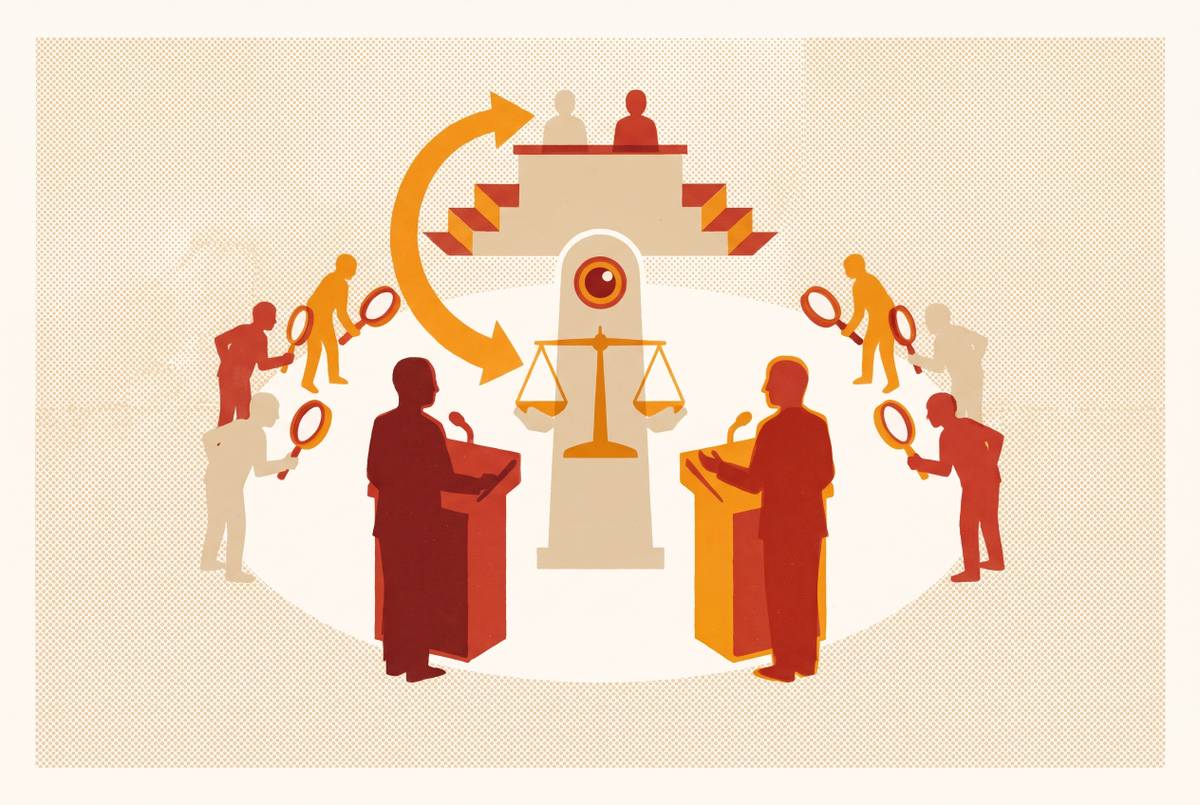
Independent judges, shared criteria, and visible splits beat one verdict.
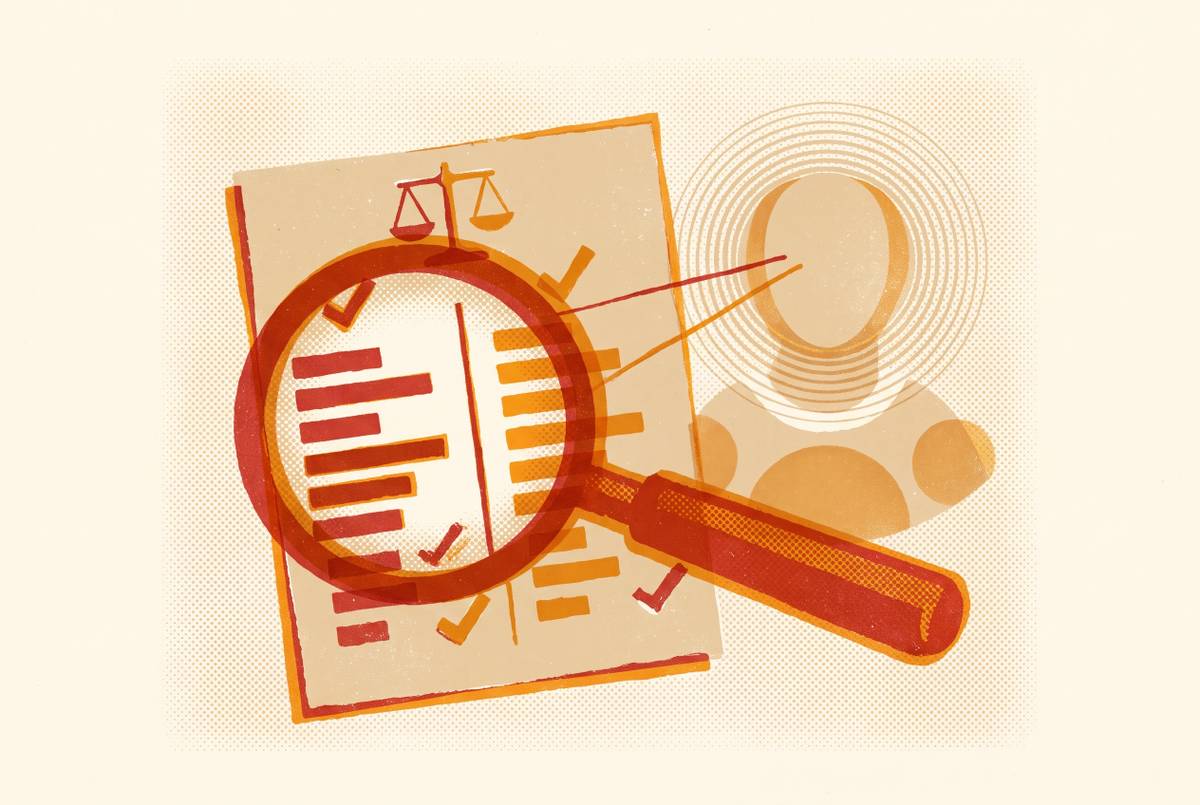
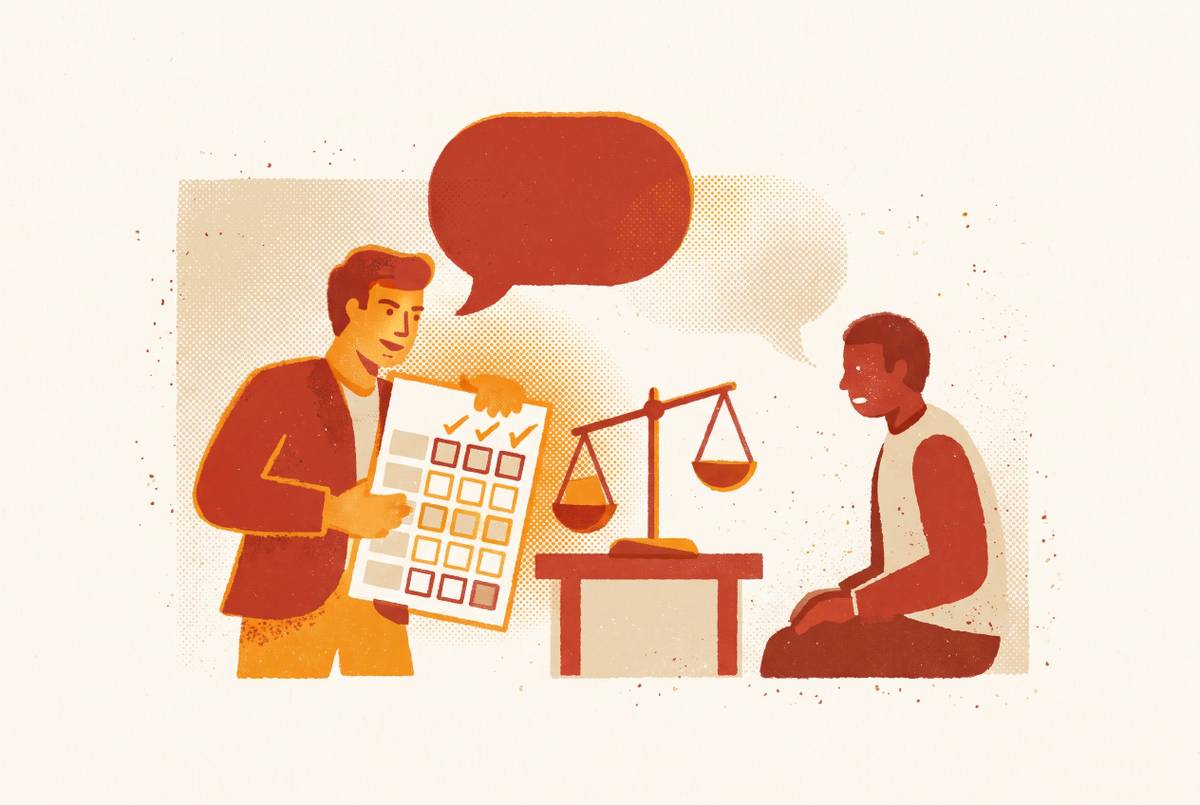
Reading the scores against the rubric turns a verdict into your next practice target.
Publishing criteria before the round makes AI verdicts fair to contest.
Five checks let debaters test whether an AI judge's score holds up.
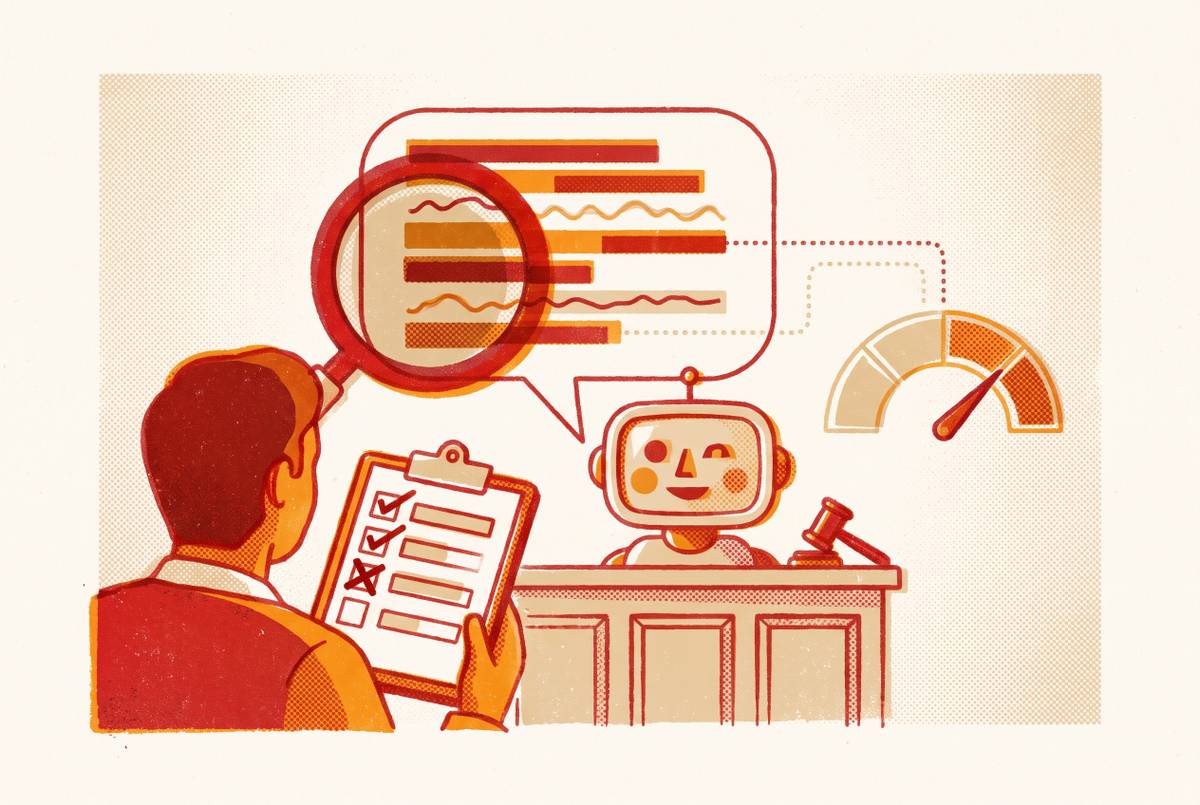
Transcription, fallacy flags, and rubric scoring explain how AI verdicts arrive in seconds.
A platform's AI judge may be scoring a transcript, not your voice.
Examine a platform's rubric before registering to ensure it guides better arguments.
Two platforms show how transparency and appeals strengthen AI debate judging.
Knowing the scoring rubric beforehand lets debaters prepare smarter, not just harder.
Transparent rubrics, multiple judges, and human appeals make AI-judged debates defensible.
The AI judges speak, score, and cite their reasoning for every verdict.
AI judges catch logical gaps that confident delivery lets human judges miss.